[ The people who will actually do the work ]
The People Who Will Actually Build Your Project
A small team in Jaipur. You will meet the developers who build your project, talk to them directly, and keep the same people from the first call to the last release.
Our Team
A small team in Jaipur. You will meet the developers who build your project, talk to them directly, and keep the same people from the first call to the last release.
Talk to the developer who would run your project[ Technologies We Use ]
[ What You Get ]
The people you meet are the people who build
No account layer between you and the developer. The person on the call is the person writing the code.
Small on purpose
We take fewer projects than we could. It is the only way to keep the same people on a project from start to finish.
Generalists with a depth each
Everyone here can work across the stack, and each person owns something properly — mobile, backend, infrastructure or search.
Based in Jaipur, working across timezones
IST hours with full overlap for Europe, the Gulf and Asia-Pacific, and agreed morning overlap for US clients.
[ Available now ]
The developers, by name.
These are the people, not a sample of a pool. You interview whoever you would be working with, and the person you interview is the person who does the work.
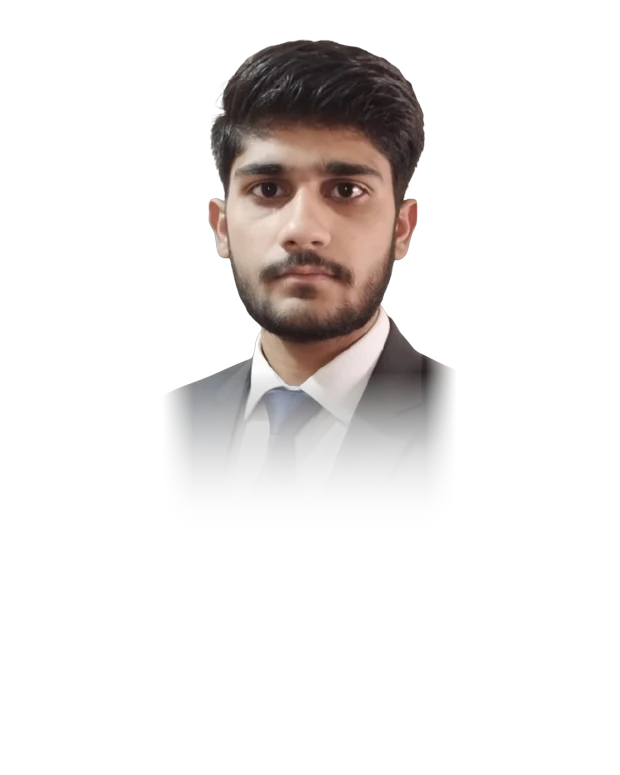
Yash Kumar Saraswat
5 yrFull Stack Developer — Mobile
Cross-platform apps that reach both stores from one codebase, and the APIs behind them.
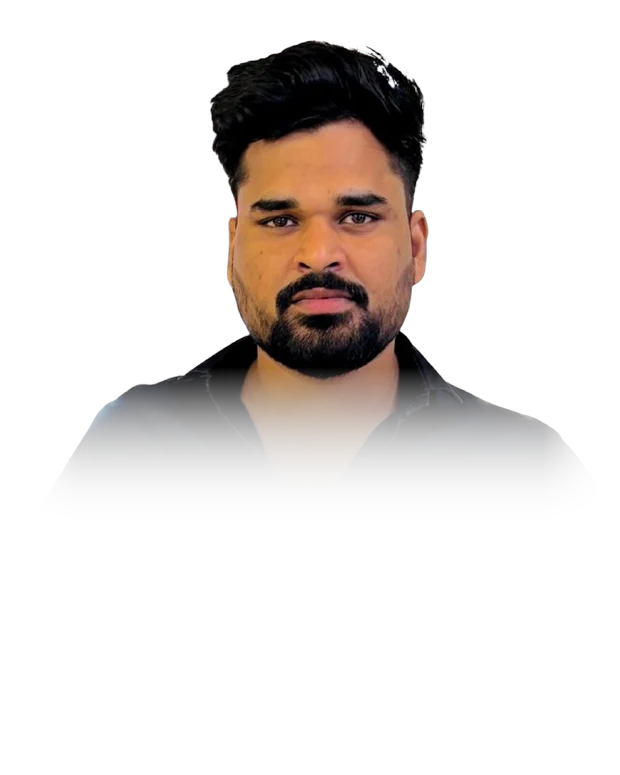
Pawan Kumawat
7 yrFull Stack Developer — iOS
Native iOS where the platform matters, cross-platform where it does not, plus the Node services behind both.
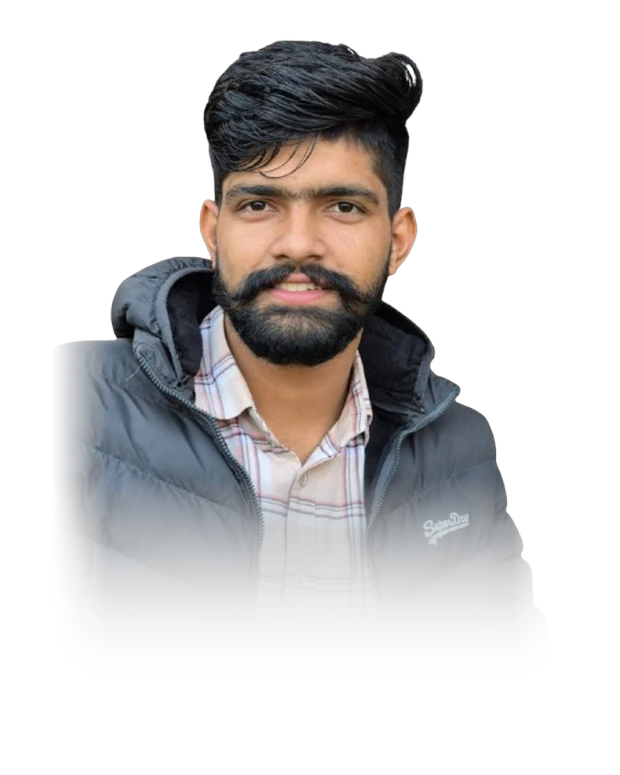
Manoj Choudhary
3 yrFull Stack Developer — PHP & Laravel
Laravel backends and the database design underneath them, with React on the front.
[ Platforms & tech ]
What we build.
Engineering
Web, mobile and backend development. Everyone works across the stack, with each person owning a depth — mobile, PHP and Laravel, or Node and infrastructure.
- Web development
- Mobile apps
- Backend & APIs
- Database design
- Cloud & deployment
Design
Interface and experience design done alongside development rather than thrown over a wall, so what gets designed is what gets built.
- UI & UX design
- Design systems
- Prototyping
- Accessibility
- Brand application
Growth
Search, content and paid media for clients who need the site to bring people in rather than just exist.
- SEO
- Content
- Paid media
- Analytics
- Conversion work
[ Our Process ]
From strategy to growth.
You talk to a developer first
The first technical conversation is with someone who will work on the project, not with a salesperson relaying questions.
One person owns your project
A named lead who knows the whole picture, so there is always someone to ask rather than a queue to join.
The same people throughout
We do not rotate developers off a project to staff another one. Continuity is worth more than utilisation.
Design and development sit together
Interface decisions are made with the person implementing them in the room, which removes a whole class of handover problem.
Reviewed by someone else
Every meaningful change is read by a second person before it ships. Small team, but not a team without review.
Available after launch
The people who built it are the ones who support it, which is why fixes take hours rather than a re-learning period.
[ Overview ]
Techtaru is a small team in Jaipur, and we keep it that way deliberately. The alternative — growing fast, staffing projects with whoever is free, putting an account manager between the client and the developer — makes agencies bigger without making their work better.
What you get instead is the arrangement most clients actually want and rarely get: you speak to the people building your project, the same people stay on it from the first call to the last release, and they are still there when something needs fixing a year later.
[ In Detail ]
No account layer
Questions go to the person who can answer them. Relaying technical questions through a non-technical intermediary loses something every time.
Continuity over utilisation
We do not move people off a project to fill a gap elsewhere. Re-learning a codebase costs more than the utilisation gains.
Hiring is slow here
We would rather be short-handed and turn work down than add someone who needs supervising on client work.
[ What has changed ]
Our Team in 2026.
AI raised the floor and the bar together
Routine code is faster for everyone now, which makes judgement — what to build, what to refuse, what will break later — the part worth paying for.
Clients want the builders, not a manager
The demand for direct access to the people doing the work has grown, and it suits a small team far better than a large one.
Remote work made Jaipur competitive
Location stopped deciding who a client can hire, which is good for a team in Jaipur doing work for London and Dubai.
[ FAQs ]
Questions, answered.
Small — a handful of developers, design and growth. We are specific about this because the honest answer matters when you are choosing who to trust with a project. If your project needs a twenty-person team for a year, we are not the right firm and we will say so on the first call.
Ready to talk to the developer who would run your project?
Let’s talk about your our team project. No obligation, just a conversation.
Next service
Our Development Process